
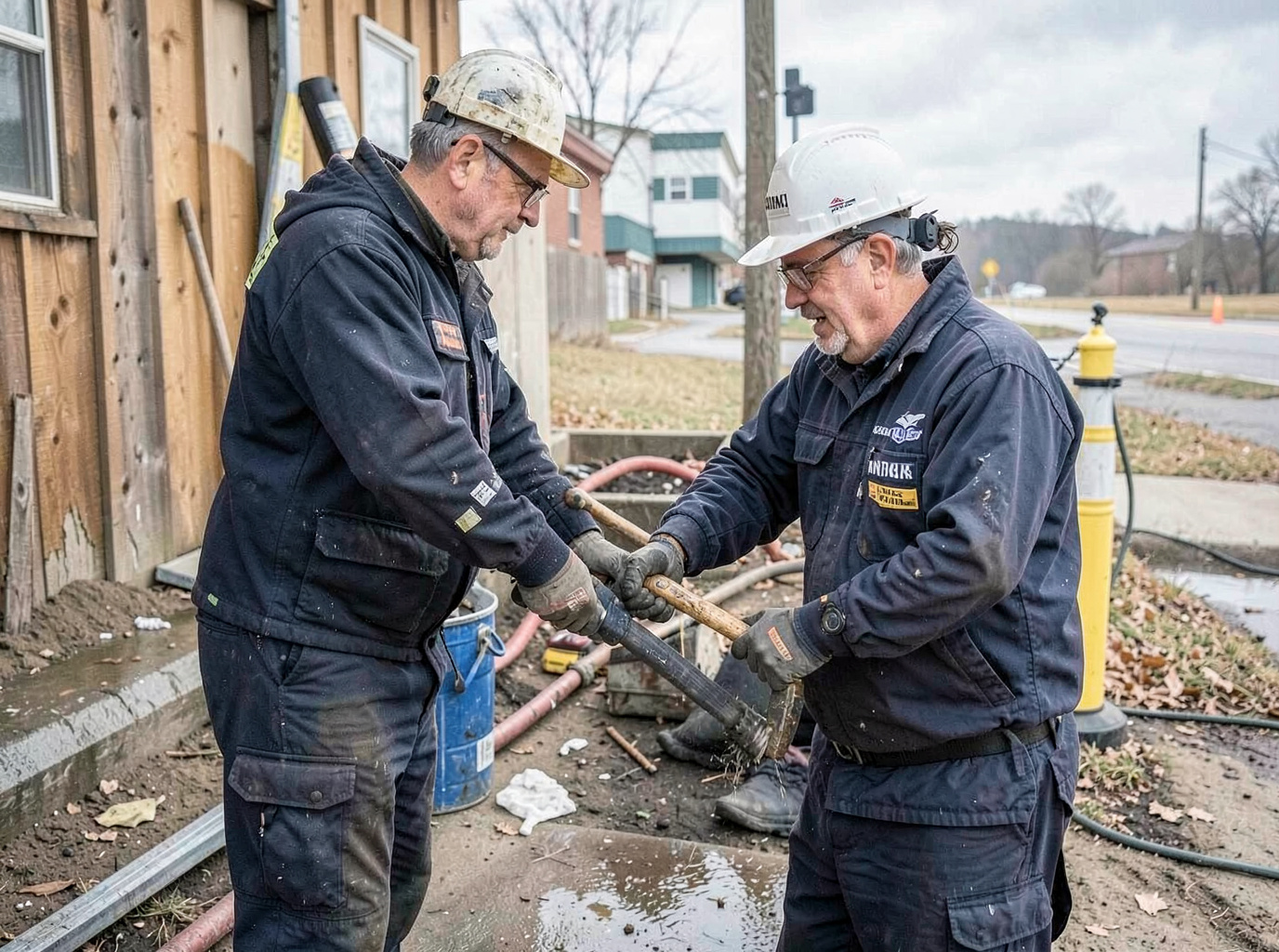
Water damage restoration typically begins with identifying the water source and removing standing water before addressing saturated materials. In Omaha, sudden thunderstorms and occasional tornadoes can overwhelm drainage in areas like West Omaha and Aksarben, while older housing stock in Benson and Dundee often features basements prone to seepage during spring thaws. Independent providers assess moisture levels in drywall, flooring, and insulation, then determine whether demolition or specialized drying is required.
Common causes include roof leaks, appliance failures, and plumbing issues tied to freeze-thaw cycles in Douglas County homes. Warning signs range from musty odors and discoloration on ceilings to warped hardwood in Midtown or North Omaha properties. A local restoration professional may test for hidden moisture behind walls and evaluate contamination risks from sewage backups common after heavy rains.
Safety concerns arise when Category 3 water introduces bacteria or when prolonged humidity in South Omaha basements promotes mold growth. Providers may remove affected carpet, subflooring, or cabinetry depending on saturation depth. Insurance coverage depends on the policy and cause of loss, so verifying details with your insurer and the connected provider is recommended.
Omaha Water Damage Help connects consumers with independent local service providers. We do not perform restoration services ourselves. Timing for drying and any follow-up work depends on the provider's availability, the extent of damage, and site conditions.
Technician insight
Homeowner tip: Older plaster-and-lath walls, common in Benson and Dundee homes, can hold moisture behind a surface that looks dry. Ask any provider how they check inside walls before deciding an area is dry.
Example situation: Storm water through a roof leak
For example, a strong thunderstorm might push water through a damaged roof, soaking attic insulation and staining upstairs ceilings and drywall. A homeowner could call to request a connection with an independent local provider. If one is available, the provider would typically inspect for hidden moisture, explain what may need drying or removal, and set their own pricing and timeline. Outcomes depend on the provider and the property.
Water Damage Restoration Services We Offer
✓Emergency Water Extraction
A local restoration professional may remove standing water from floors and surfaces in Omaha homes after storms or sudden leaks.
✓Basement Water Removal
An independent provider may assess and extract water from below-grade spaces common in Dundee and Benson properties affected by groundwater.
✓Burst Pipe Water Cleanup
A restoration company may isolate the leak source and address water spread through walls or ceilings in older Douglas County housing.
✓Structural Drying
Participating providers may place equipment to dry framing, subfloors, and insulation after water intrusion in West Omaha or Aksarben homes.
✓Sewage & Contaminated Water Cleanup
A local professional may handle removal and sanitization of Category 3 water from backups linked to heavy rainfall in South Omaha or Little Italy.
✓Appliance Leak Cleanup
An independent provider may evaluate and mitigate damage from washing machine or water heater failures in Midtown or Downtown residences.
How it works
- 1
Call to Request Help
Homeowners call Omaha Water Damage Help anytime to describe the situation and request a connection with an independent local provider. Provider availability and response times vary.
- 2
Connection to Provider
Omaha Water Damage Help connects the homeowner with an independent local service provider, subject to availability.
- 3
Provider Evaluation
The provider evaluates the property, identifies water category and affected materials, and discusses possible next steps with the homeowner.
- 4
Scope and Terms
The provider determines the work scope, pricing, scheduling, and service terms directly with the homeowner.
- 5
Provider Performs Any Agreed Work
The provider performs any agreed-upon services according to their own standards and timeline.
Pricing
Factors that affect cost include the category and source of water, size and depth of affected areas, materials involved, any demolition needs, drying time required, and potential contamination or mold. Omaha Water Damage Help does not set prices. Actual pricing is determined by the independent provider after evaluating the property.